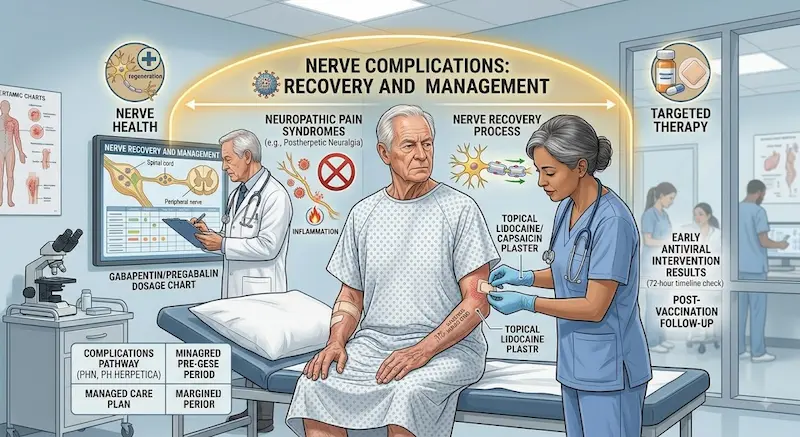
Shingles (herpes zoster) is far more than a temporary, painful blistering rash that runs along a single dermatome. While the acute phase of the infection—characterized by burning pain and fluid-filled blisters—typically resolves within two to four weeks, the physical impact can linger long after the skin heals. For many individuals, particularly older adults, the true challenge begins after the rash disappears. Understanding potential complications, recognizing long-term nerve pain, and implementing prompt, evidence-based medical treatments are vital for a full and successful recovery. In this comprehensive guide, we explore the complexities of shingles complications, advanced medical therapies, and proactive strategies to safeguard your neurological health.
1. The Most Feared Complication: Post-Herpetic Neuralgia (PHN)
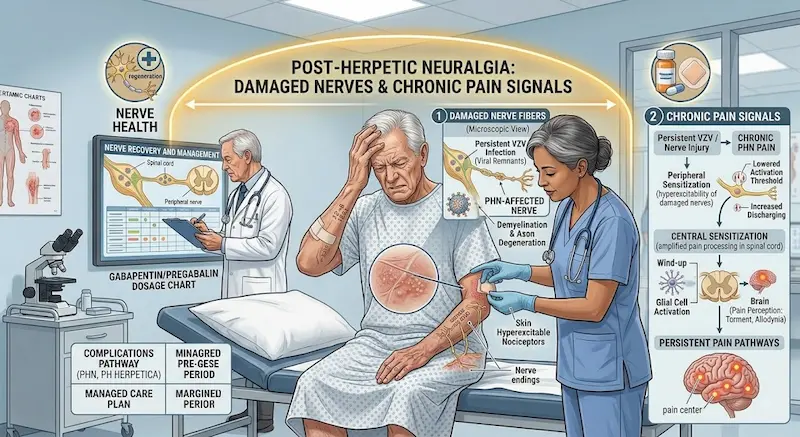
The single most common and debilitating complication following a shingles outbreak is Post-Herpetic Neuralgia (PHN). PHN is defined as persistent, severe nerve pain that continues in the exact area of the original rash long after the skin has completely healed—often lasting for three months, a year, or even indefinitely.
When the varicella-zoster virus reactivates, it causes intense inflammation and acute damage to the sensory nerves. In individuals who develop PHN, these damaged nerve fibers fail to repair properly. Instead, they misfire, sending continuous, exaggerated pain signals from the skin to the central nervous system even in the absence of any external stimulus. Patients describe PHN pain in various ways, including sharp, stabbing sensations, deep throbbing, relentless burning, or extreme tactile allodynia—a condition where even the gentle touch of clothing or a breeze against the skin causes excruciating discomfort.
Factors that significantly increase the likelihood of developing PHN include advanced age (particularly individuals over 50), high initial pain severity during the acute phase, a widespread or severe rash, and any delay in receiving prompt antiviral treatment during the initial 72-hour window. To learn more about recognizing the earliest warning signs and catching the virus before severe nerve damage sets in, read our detailed guide on Shingles Symptoms and the Golden Time Guide.
2. Ocular Complications: Herpes Zoster Ophthalmicus
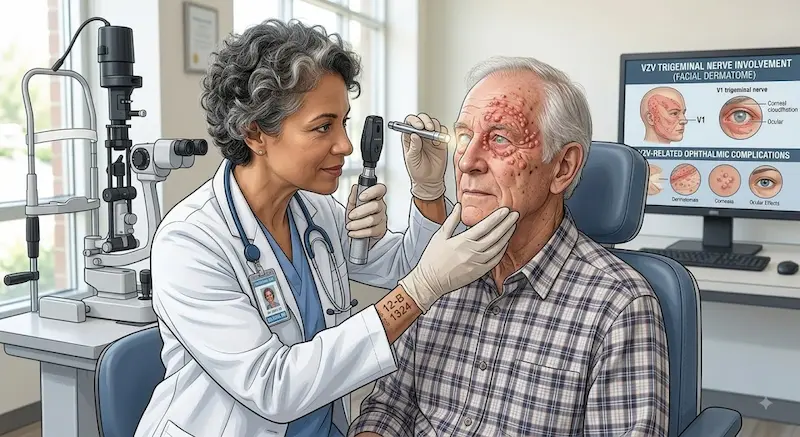
When the reactivation of the varicella-zoster virus affects the ophthalmic division of the trigeminal nerve—the cranial nerve that supplies sensation to the eye, forehead, and nose—it results in a condition known as Herpes Zoster Ophthalmicus (HZO). This is a medical emergency that requires immediate evaluation by both a primary physician and an ophthalmologist.
Symptoms of HZO often begin with severe pain around one eye and forehead, accompanied by a rash or blisters on the eyelids or the tip of the nose (known as Hutchinson’s sign). If left untreated, the virus can invade the delicate structures of the eye, causing severe inflammation such as conjunctivitis, keratitis (corneal inflammation), uveitis, secondary glaucoma, and even permanent vision loss or chronic eye pain. Prompt administration of high-dose systemic antiviral medications is critical to suppress viral replication and protect long-term visual health.
3. Comprehensive Medical Treatment and Pain Management Protocols
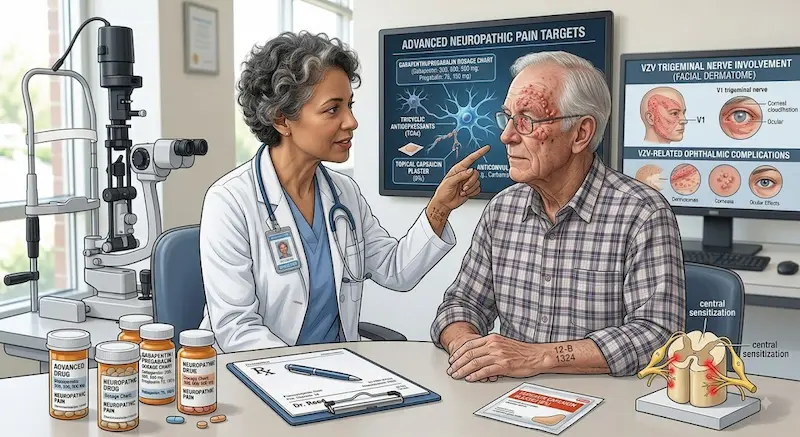
Treating shingles and its lingering complications requires a multi-faceted clinical approach that combines antiviral suppression with aggressive, targeted pain management. Because standard over-the-counter pain relievers are frequently inadequate for managing neuropathic pain, physicians rely on specialized pharmacological and therapeutic interventions:
- Antiviral Medications: Even if the patient presents after the initial 72-hour golden window, antiviral agents like valacyclovir, acyclovir, or famciclovir are often prescribed during acute flare-ups to limit viral replication and reduce the overall duration of nerve inflammation.
- Prescription Neuropathic Agents: Medications designed to calm overactive nerve signals—such as gabapentin, pregabalin, or tricyclic antidepressants (e.g., amitriptyline)—are cornerstones of treating chronic nerve pain like PHN.
- Topical Analgesics: Lidocaine patches or creams applied directly to the affected skin provide localized numbing relief without systemic side effects.
- Interventional Therapies: In severe, treatment-resistant cases of PHN, pain specialists may recommend nerve blocks, epidural steroid injections, or specialized dermatological treatments to break the chronic pain cycle.
For a broader overview of how targeted health management and lifestyle choices can support your recovery, visit our FitDaily Home resource center.
4. Rare and Systemic Complications of Shingles
While skin lesions and localized nerve pain are the most frequent manifestations, the varicella-zoster virus can occasionally cause severe systemic complications, especially in immunocompromised patients, individuals undergoing chemotherapy, or those with underlying metabolic conditions.
- Neurological Complications: Severe viral spread can lead to Ramsay Hunt syndrome (when the facial nerve is affected, causing facial paralysis and hearing loss), meningoencephalitis, or myelitis.
- Secondary Bacterial Infections: Scratching active blisters can introduce bacteria (such as Staphylococcus aureus) into the skin breaks, resulting in secondary impetigo, cellulitis, or permanent scarring.
- Systemic Weakness and Fatigue: The toll of chronic neuropathic pain often leads to secondary sleep disturbances, clinical anxiety, depression, and generalized physical exhaustion. Managing these overlapping health challenges requires a holistic approach, including proper nutritional support and metabolic health monitoring. For insights on managing overall wellness and metabolic balance, explore our guide on Prediabetes Management and Health Check Guide.
5. Prevention, Vaccination, and Long-Term Wellness
As with many viral conditions, prevention remains vastly superior to treatment. Even individuals who have already experienced a shingles outbreak can benefit greatly from proactive immune support and vaccination.
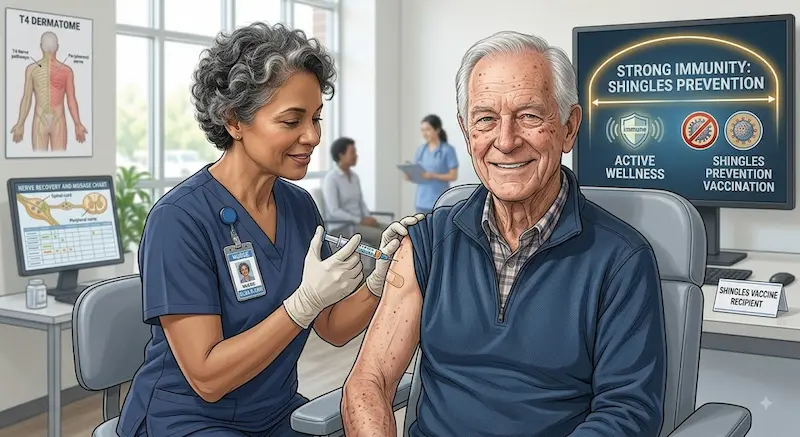
The recombinant zoster vaccine (Shingrix) is highly recommended for adults aged 50 and older, as well as immunocompromised adults. Administered in a two-dose series, Shingrix trains the immune system to maintain high antibody titers against the varicella-zoster virus, effectively preventing future reactivations and drastically reducing the risk of developing long-term Post-Herpetic Neuralgia.
In addition to vaccination, supporting your nervous and immune systems through optimal micronutrient intake is essential. Ensuring adequate levels of essential vitamins and minerals helps regulate nerve function and systemic inflammation. To learn more about combining key nutrients for maximum wellness, read our article on Magnesium, Calcium, and Vitamin D Intake Guide.
Frequently Asked Questions (FAQ)
Q1. How long does Post-Herpetic Neuralgia typically last after shingles? A1. The duration of PHN varies greatly depending on the individual’s age and overall health. While some patients experience relief within three to six months, others may suffer from chronic nerve pain for years or even indefinitely if aggressive pain management is not implemented early.
Q2. Can I get the Shingrix vaccine if I currently have active shingles? A2. No. You should wait until the shingles rash has completely cleared and all acute symptoms have resolved before receiving the Shingrix vaccine. Consult your physician for the ideal timeline following an active outbreak.
Q3. Are there natural remedies that help soothe shingles nerve pain? A3. While medical treatments and prescription neuropathic medications are primary, many patients find complementary relief through cool compresses, loose cotton clothing to minimize skin friction, and stress-reduction techniques that help lower overall nervous system sensitivity.