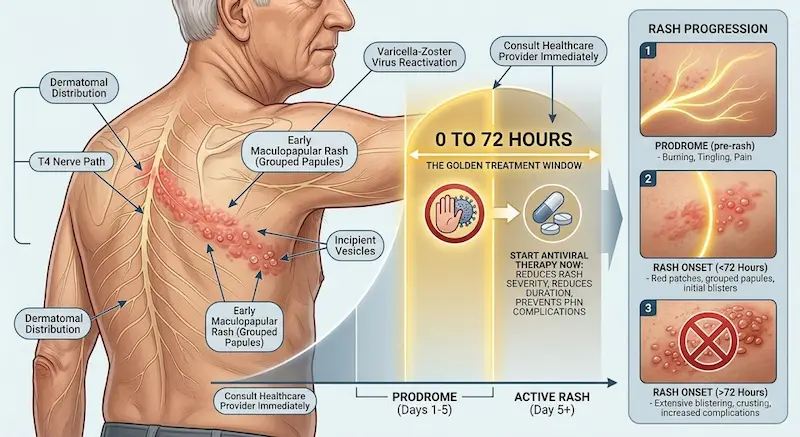
Shingles, or herpes zoster, is a serious viral infection characterized by a painful, blistering skin rash. It is caused by the reactivation of the varicella-zoster virus, the same virus that causes chickenpox in childhood. Once you have had chickenpox, the virus remains dormant in your nerve tissues for decades. When it reactivates, it travels along specific nerve pathways to the skin, causing intense pain, tingling, and a blistering rash. Most importantly, successful clinical management of shingles hinges on a critical 72-hour window—a period frequently referred to by healthcare professionals as the “Golden Time.” Understanding shingles symptoms and acting immediately within this timeframe can make the difference between a swift, manageable recovery and the long-term risk of chronic, debilitating nerve pain known as Post-Herpetic Neuralgia (PHN). For more evidence-based health tips to optimize your long-term wellness, visit our Gammab-Health Home page (https://gammab-health.com/).
1. Understanding Shingles: The Biological Mechanism of Reactivation
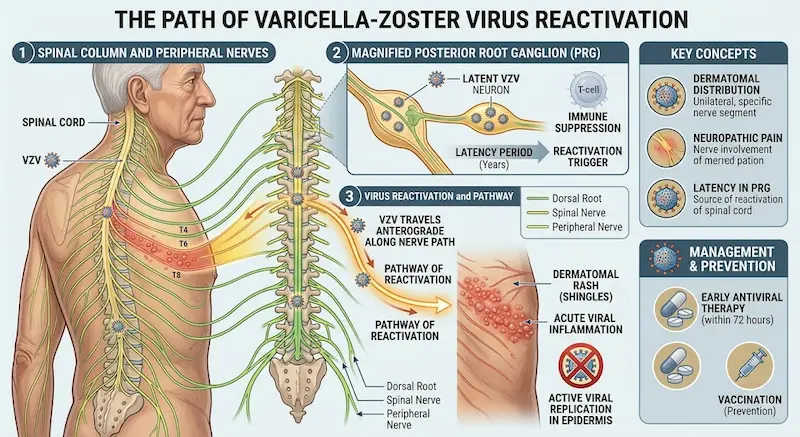
The varicella-zoster virus never truly leaves the body after a chickenpox infection. It migrates to the nerve roots near the spinal cord and brain, where it remains in a dormant state, held in check by a robust immune system. However, as individuals age or experience periods of severe physical or emotional stress, illness, or immunosuppression, the virus can be reactivated. This reactivation is not a new infection but a localized inflammatory response to an old guest. Managing underlying health issues is key; for example, maintaining healthy blood sugar levels is vital for your general resistance and immune resilience: Prediabetes Management Guide (https://gammab-health.com/prediabetes-supplements-and-health-check-guide/). Understanding this biological trigger is the first vital step toward proactive health management and recognizing that shingles is fundamentally a nerve-related condition, not just a skin infection.
2. Identifying the Stages of Shingles Symptoms
The Prodromal Phase: Early Warning Signs
Before the iconic, blistering rash manifests, many patients experience a “prodromal” phase that can last from one to five days. Symptoms during this period include localized tingling, itching, numbness, or a deep, burning sensation on one specific side of the body. Because these sensations are often subtle or can mimic musculoskeletal pain, such as muscle strains or even heart-related issues depending on the location, they are frequently overlooked until the visible rash emerges. This phase is when the virus is actively replicating within the nerve, causing inflammation that precedes skin damage.
The Acute Phase: Rash and Blister Development
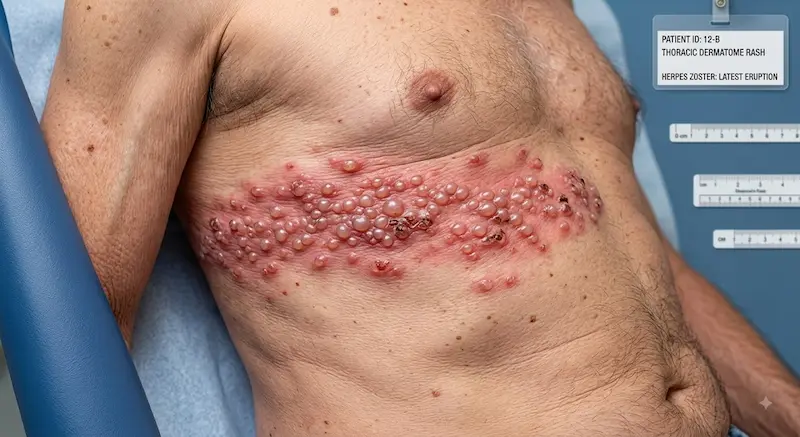
quickly evolves into clusters of fluid-filled blisters. These blisters typically follow a single dermatome—a specific area of skin supplied by a single nerve root. This is why the shingles rash classically appears as a distinct band or strip on only one side of the torso, face, or neck. Recognizing this unilateral pattern is a classic diagnostic marker for shingles. During this phase, the fluid in the blisters contains active viral particles, making hygiene and avoiding contact with vulnerable individuals a top priority.
3. The Golden Time: Why the 72-Hour Window Matters

The designation “Golden Time” is not a mere clinical suggestion; it is supported by significant empirical data. Clinical studies consistently demonstrate that antiviral medications—including acyclovir, valacyclovir, and famciclovir—are at their maximum efficacy when administered within 72 hours of the first appearance of the shingles rash. Starting treatment during this narrow window provides several critical clinical advantages:
- Viral Suppression: Rapidly inhibits viral replication, drastically reducing the overall severity of the eruption.
- Duration Reduction: Significantly shortens the duration of both the acute rash and the associated nerve pain.
- PHN Prevention: Early treatment significantly decreases the statistical likelihood of developing Post-Herpetic Neuralgia (PHN). To learn more about severe nerve pain and how to manage the aftermath of the infection, check our guide on Shingles Complications and Treatment (https://gammab-health.com/shingles-complications-treatment-guide/).
4. Clinical Treatment and Comprehensive Management

Once a professional diagnosis of shingles is confirmed, the primary clinical objective is two-fold: suppressing viral activity and managing pain. While antiviral drugs address the source of the infection, effective pain management is equally essential for patient quality of life. Always check for potential drug interactions with foods like grapefruit, as they can interfere with your medication’s metabolism: Medication Safety Guide (https://gammab-health.com/2026/06/grapefruit-and-medications-list-to-avoid/). Standard protocols include:
- Antiviral Therapy: Prescribed based on symptom severity and the patient’s individual health history.
- Pain Management: Ranging from over-the-counter analgesics to prescription-strength topical creams (like lidocaine) or oral nerve pain medications for those experiencing severe discomfort.
- Wound Care: Keeping the affected area clean and dry to prevent secondary bacterial infections. In many cases, cool compresses are recommended to alleviate the burning sensation.
5. Preventing Complications and Long-term Neural Health
The most significant long-term risk associated with shingles is nerve damage. PHN occurs when sensitized nerve fibers continue to transmit exaggerated pain signals to the brain long after the physical rash has healed. Prevention is the ultimate goal. Maintaining a strong immune system through balanced nutrition requires optimal nutrient balance. See our guide on Optimizing Vitamin and Mineral Intake (https://gammab-health.com/magnesium-taking-time-calcium-vitamin-d-combination/).
Beyond nutrition, vaccination remains the most effective defense strategy. The Shingrix vaccine has shown remarkable efficacy in preventing both shingles and its associated complications, particularly in adults over the age of 50. It is a two-dose series that essentially retrains your immune system to recognize and suppress the varicella-zoster virus, drastically reducing the risk of a debilitating outbreak.
Frequently Asked Questions (FAQ)
Q1. Is shingles contagious? A1. Shingles itself is not contagious. However, the fluid from the active blisters contains the varicella-zoster virus. If someone who has never had chickenpox or the chickenpox vaccine comes into contact with the blister fluid, they could develop chickenpox, not shingles.
Q2. Can I get shingles more than once? A2. Yes. While it is relatively rare, shingles can recur in some individuals. Keeping your immune system strong and considering vaccination are the best ways to minimize this risk.
Q3. What should I do if I think I missed the 72-hour Golden Time? A3. You should still seek medical attention immediately. Even after the 72-hour window has passed, treatment can still be beneficial for managing pain, preventing complications, and reducing the severity of the infection in certain patient populations.
Q4. Are there any lifestyle changes that help manage shingles pain? A4. Yes. Beyond medication, many patients find relief by wearing loose-fitting clothing to reduce friction on the sensitive skin, utilizing cool compresses, and managing stress levels, as high stress can exacerbate the nerve pain associated with the condition.
Q5. Is the Shingrix vaccine safe if I have already had shingles? A5. Yes, in most cases, doctors recommend receiving the Shingrix vaccine even if you have had shingles before. It acts as a booster for your immune response and significantly reduces the chance of experiencing another painful outbreak in the future.